🍵 Best Canned Kombucha (2026): 5 Cans Compared for Sugar, Probiotics & Taste
🫧 Heads up: SipVetted is reader-supported. If you buy through links on this page, we may earn an affiliate commission at no extra cost to you. Learn more.
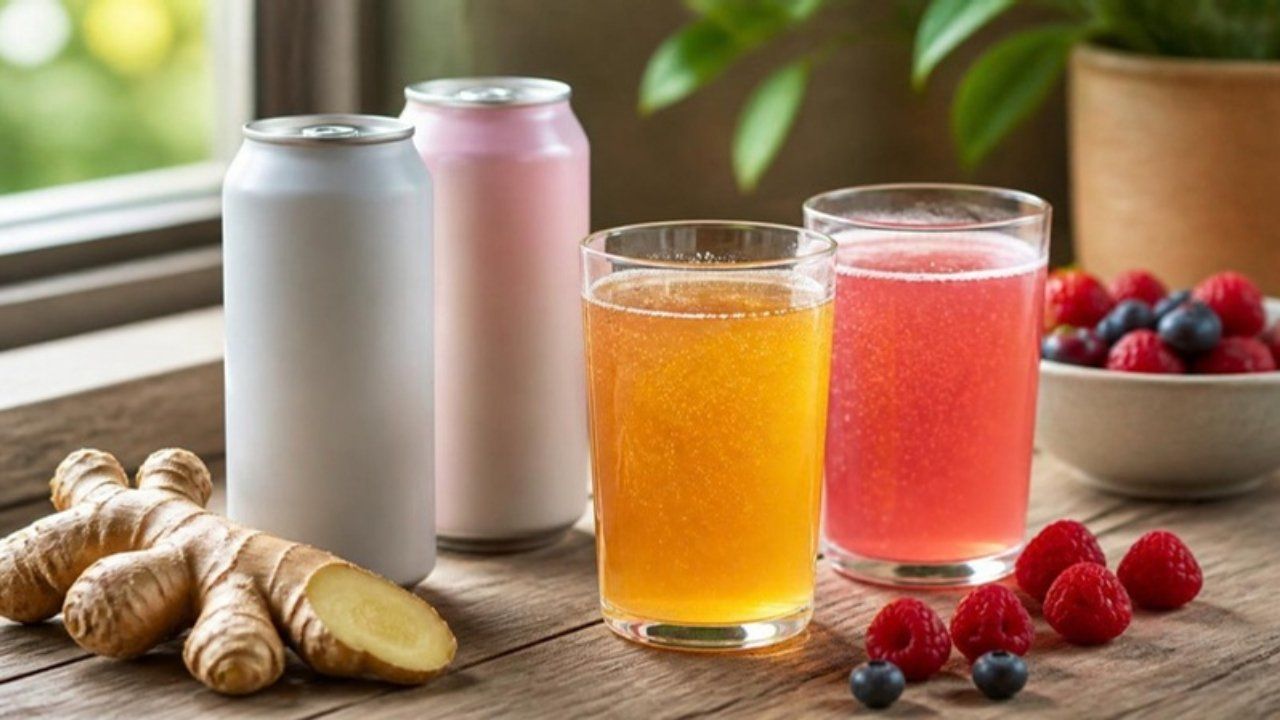
Kombucha graduated from health-food-store oddity to mainstream cooler staple, and the can format is a big reason why — it chills faster, packs for the beach, and skips the “did I just shake a glass grenade” anxiety. But cans hide the same wide gap bottles always had: two kombuchas that look identical on the shelf can range from zero sugar and 5 calories to 15 grams of sugar, and from trace caffeine to a decaf-coffee jolt. Here’s the best canned kombucha for 2026, sorted by what the label actually says.
First look: based on verified specs and aggregated drinker reception. We have not run a controlled blind taste test of these cans — where we make a flavor call, we say so and lean on published nutrition data and broad public reception.
How we evaluate canned kombucha
Four numbers do most of the sorting, and they’re all on the can. Sugar is the headline: traditional kombucha ferments cane sugar, so a full-sugar booch can carry 12–15g per serving, while zero-sugar brands age longer to convert nearly all of it away. Calories follow sugar directly. Caffeine matters more than people expect — kombucha is fermented tea, so it ranges from a trace to about 35mg per can, which is the difference between a bedtime sip and a morning pick-me-up. And live cultures are the whole point: raw, unpasteurized brands preserve the probiotics, so we favor them over shelf-stable pasteurized versions when gut benefits are the goal.
After the numbers we weigh flavor, carbonation, and how easy the can is to actually find. One honest caveat: the research on whether a daily can meaningfully reshapes your microbiome is still developing, so treat kombucha as a smarter swap for soda, not a supplement. Prices below ship mostly as multi-packs and bounce around — confirm at checkout.
1. GT’s SYNERGY — the raw benchmark
If kombucha has a gold standard, it’s GT’s. SYNERGY runs a full 30-day ferment of organic black and green tea and consistently posts the highest documented live-culture counts in the category, which is why it’s both the original mainstream booch and the top seller in the US. Expect around 30 calories per 8 oz serving and modest caffeine (roughly 8–16mg per 16 oz). Sugar varies by flavor — the tarter varieties like Gingerade sit lower.
The catch for a canned roundup: GT’s still lives mostly in glass, with cans appearing only in select markets and formats. If you can find it in a can, it’s the one to beat on pedigree. If probiotic strength is your top priority, this is the buy.
2. Health-Ade — best flavor and fizz
Health-Ade is the brand most people name when a kombucha finally tastes good. Its slow fermentation delivers a serious probiotic load, but the reason it wins converts is the flavor balance and aggressive carbonation — it drinks less like vinegar and more like a grown-up soda. Figure about 8–13g sugar per serving and a gentle 5–15mg of caffeine per 16 oz. It’s widely available in cans as well as glass, so it’s an easy grab. Buy this if you’re kombucha-curious and want the least “acquired taste.”
3. Humm Zero Sugar — booch without the sugar
Humm cracked the hardest problem in the category: a zero-sugar kombucha that still tastes like kombucha. Each 12 oz can is just 10 calories with no sugar, sweetened with monk fruit and allulose, and still carries 2 billion probiotics plus added vitamin B12. It’s also shelf-stable — no refrigeration required — which makes it the best travel and desk-drawer option here, and caffeine is only a trace. Flavors like Blood Orange and Raspberry Lemonade are the standouts. Buy this if you want the ritual of a tangy booch without the sugar hit.
4. Liquid Remedy — lowest calorie in the cooler
Remedy takes the zero-sugar idea to its logical end: 5 calories and zero sugar per 8.5 oz can, achieved by aging the brew a full 30 days so the yeast eats nearly all the sugar and leaves behind organic acids. It’s certified organic and unapologetically tart — dry, sharp, and the closest thing to a diet-soda swap that still delivers live cultures. The trade-off is that dryness: newcomers may find it aggressive. Buy this if you want the leanest can and you already like your kombucha sour.
5. Brew Dr. — the everyday morning can
Brew Dr. is the pragmatic pick. It’s organic, guaranteed 0.0% alcohol (a genuine differentiator, since raw kombuchas can drift above the trace line), and it’s the caffeine leader — roughly 15–20mg per bottle and up to 35mg in tea-forward flavors, enough to make it a legitimate coffee alternative. Sugar sits around 12–15g. You’ll find it everywhere, including Starbucks coolers. Buy this if you want a reliably stocked booch with a little morning kick.
The verdict: which canned kombucha should you buy?
- Buy GT’s SYNERGY if live-culture strength is the whole reason you drink kombucha — and grab the cans when your market carries them.
- Buy Health-Ade if you’re new to kombucha and want the best-tasting, fizziest introduction.
- Buy Humm Zero Sugar if you want the flavor and probiotics but none of the sugar, plus a can that survives a warm backpack.
- Buy Liquid Remedy if you want the lowest-calorie, driest, most soda-replacing option.
- Buy Brew Dr. if you need a caffeine bump, a strict 0.0% alcohol guarantee, and a can that’s easy to find.
The honest bottom line: there’s no bad can on this list — there’s a can for a goal. Match the sugar and caffeine numbers to what you actually want from the drink, and the “best” one picks itself.
1. GT's SYNERGY Raw Kombucha Best Overall
~$3.50 / bottleThe raw benchmark and the best-selling kombucha in the US: a full 30-day ferment of organic black and green tea with the highest documented live-culture counts in the category. Roughly 30 calories per 8 oz serving, low caffeine (about 8–16mg per 16 oz), and sugar that varies by flavor. Sold mostly in glass, with cans in select markets — the one to beat on probiotic pedigree.
Check Price →2. Health-Ade Kombucha Best Flavor
~$3 / canThe flavor and carbonation favorite. Slow-fermented for a hefty probiotic serving, with bright, well-balanced flavors and lively fizz that make it the easiest full-sugar-ferment booch to actually enjoy. Runs about 8–13g sugar per serving and 5–15mg caffeine per 16 oz. Available in cans and glass.
Check Price →3. Humm Zero Sugar Kombucha Best Zero-Sugar
~$28 / 16-packThe zero-sugar pick that still tastes like kombucha. Each 12 oz can is 10 calories with zero sugar, sweetened with monk fruit and allulose, plus 2 billion probiotics and added vitamin B12. Shelf-stable (no refrigeration needed) and trace caffeine. Flavors like Blood Orange and Raspberry Lemonade lead the line.
Check Price →4. Liquid Remedy Zero-Sugar Kombucha Lowest Calorie
~$33 / 24-packThe lowest-calorie can here: just 5 calories and zero sugar per 8.5 oz can, thanks to a long 30-day age that converts nearly all the sugar into organic acids. Certified organic with a tart, dry, genuinely tangy profile — the closest thing to a diet soda swap with live cultures.
Check Price →5. Brew Dr. Kombucha Best Everyday
~$3 / canThe everyday all-rounder, widely stocked (including at Starbucks). Guaranteed alcohol-free (0.0%), organic, and higher-caffeine than most — roughly 15–20mg per bottle, up to 35mg in tea-forward flavors — making it a real morning option. Sugar lands around 12–15g. Sold in cans and bottles.
Check Price →