💀 Liquid Death vs Topo Chico: Which Sparkling Water Is Actually Worth It?
🫧 Heads up: SipVetted is reader-supported. If you buy through links on this page, we may earn an affiliate commission at no extra cost to you. Learn more.
| Product | Price | Rating | |
|---|---|---|---|
| Topo Chico Mineral Water (12 fl oz glass, 12-pack)Best for Cocktails | ~$15 / 12-pack | 4.6/5 | Check Price → |
| Liquid Death Sparkling Mountain Water (12 fl oz cans)Best On the Go | ~$7 / 6-pack | 4.2/5 | Check Price → |
| Topo Chico Twist of Lime (12 fl oz) | ~$15 / 12-pack | 4.3/5 | Check Price → |
| Liquid Death Severed Lime (12 fl oz cans)Soda Swap | ~$6 / 6-pack | 3.6/5 | Check Price → |
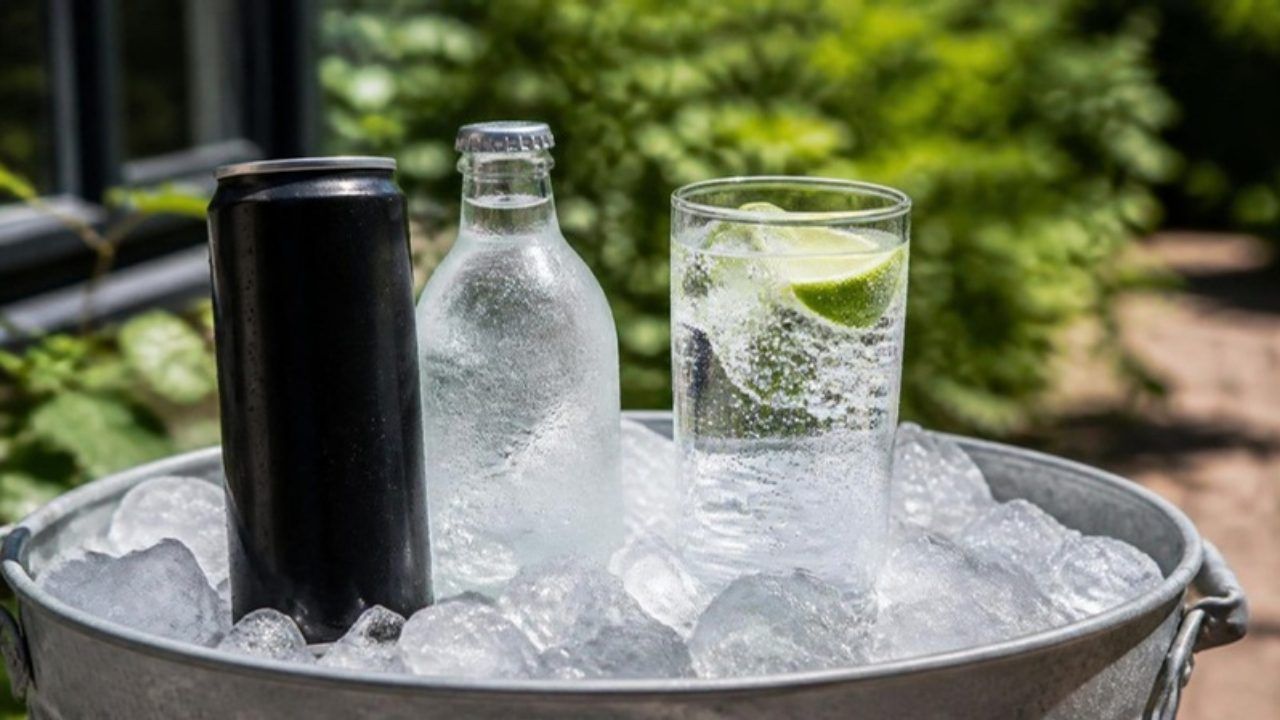
Put a skull-covered tallboy next to a squat glass bottle with a 130-year-old label and you’ve got the two most talked-about names in fizzy water. Liquid Death sells water like it’s a heavy-metal energy drink. Topo Chico sells it the way it has since 1895: mineral water, carbon dioxide, a bottle cap. But in the Liquid Death vs Topo Chico matchup, which one belongs in your fridge?
The short version: they aren’t really the same product. Topo Chico is a mineral water with a flavor of its own. Liquid Death is spring water with some very good marketing. Which one you want depends on what you’re drinking it for.
First look: this comparison is based on verified labels, current retail pricing, published testing, and aggregated drinker reception, not a staged side-by-side taste test. Our own side-by-side is coming.
How we evaluate
We don’t fake taste tests. For sparkling water we look at four things: what’s actually in the container (source and minerals), carbonation character, price per ounce, and the consensus from public drinker reviews. We also check published contaminant testing, because with bottled water, “clean” is the whole promise. If we can’t verify a number, it doesn’t go in the table.
Source: Mexico vs. “mountains in America”
Topo Chico comes from a spring at the foot of Cerro del Topo Chico in Monterrey, Mexico, and has been bottled there since 1895. Coca-Cola bought the brand in 2017 for about $220 million, but the water itself hasn’t changed. The ingredient list is two words long: mineral water, carbon dioxide.
Liquid Death is where most people have old information. The brand launched with water from the Austrian Alps, and plenty of articles still say so. It stopped using that source around 2023. According to the brand and its retail listings, the water now comes from “real mountain sources in some of the finest mountain ranges in America,” with bottling sites reported in Virginia and Idaho. The sparkling ingredient list is spring water, CO2.
Neither origin makes one water better than the other. But if the Alps story is part of why you buy Liquid Death, that story is out of date.
Minerals and taste: the real difference
Topo Chico’s label lists 15mg sodium and 40mg calcium per 12 oz bottle. That’s still modest, but it’s enough to give the water a slightly salty, chalky finish that drinkers either love or notice right away. It’s the reason Topo Chico tastes like something, and the reason bartenders reach for it: a little minerality helps a highball or ranch water taste finished instead of watered down.
Liquid Death doesn’t market a mineral profile at all. The water is spring water, and drinker reviews describe it the way you’d expect: clean and neutral, very cold straight from the can, not much else going on. If you want a water that tastes like nothing, that’s a plus. If you want a water that tastes like something, Topo Chico wins.
Bubbles
Topo Chico’s reputation rests on its carbonation. It’s famous for fine, sharp, long-lasting bubbles, and that’s the most consistent point of praise across years of drinker reviews. It is also the most common complaint about Liquid Death Sparkling next to it. Reviewers generally describe Liquid Death’s fizz as pleasant but softer, and closer to a standard seltzer than to Topo Chico’s bite.
If carbonation is the main reason you drink sparkling water, this round goes clearly to Topo Chico.
The PFAS question
Topo Chico’s history is on the record, so it belongs here. In 2020, Consumer Reports tested 47 bottled waters for PFAS (“forever chemicals”), and Topo Chico came out highest at 9.76 parts per trillion. When Consumer Reports retested in early 2021, Topo Chico averaged 3.9 ppt, a cut of more than half. Coca-Cola has said its products test below all federal and state limits. That’s true, but 3.9 ppt is still above the 1 ppt ceiling Consumer Reports and many scientists recommend for bottled water.
Liquid Death’s still water tested non-detect for PFAS in that same 2020 round, but that sample came from the old Austrian source. We couldn’t find a comparable independent test of the current US-sourced sparkling water. Liquid Death publishes water-quality reports on its site and says all contaminants are well below EPA and FDA limits. A viral 2024 TikTok claiming otherwise came from a paid water-rating app, and it didn’t show which standards it was grading against.
Our read: neither brand is unsafe by any US regulatory standard. If PFAS exposure is a priority for you, Topo Chico’s documented numbers are worth knowing about. Liquid Death’s current numbers are mostly the brand’s own.
Packaging
Topo Chico’s classic format is the 12 oz glass bottle, which is part of the appeal and part of the hassle: it’s heavy, breakable, and needs an opener for the pry-off caps. It also comes in 6.5 oz minis and 25.4 oz bottles.
Liquid Death is built around the aluminum can in 12 oz, 16.9 oz tallboy, and 19.2 oz sizes. Cans chill fast, travel well, go anywhere glass isn’t allowed (beaches, pools, venues), and aluminum recycles better than plastic. Cans do have a thin polymer liner, which Liquid Death states openly. For gym bags, coolers, and tour buses, this is Liquid Death’s strongest argument.
Price: closer than you’d think
Liquid Death’s branding looks premium, so most people assume it costs a lot more. It doesn’t. At Target in late September, a 6-pack of 12 oz Liquid Death Sparkling was $6.79 (about $1.13 a can, $0.09/oz), and a 12-pack of 12 oz Topo Chico glass was $14.89 (about $1.24 a bottle, $0.10/oz). Per ounce, they’re almost the same. Topo Chico is often cheaper by the case at warehouse clubs and Texas-area grocers, and Liquid Death tallboy multipacks bring its per-ounce cost down too.
Prices are approximate as of late September 2026 and vary a lot by retailer and region.
What about the flavored versions?
This is where the two brands take different paths.
Topo Chico Twist of Lime and Twist of Grapefruit keep the formula simple: mineral water, CO2, citric acid, natural flavor. They have zero calories, zero sweetener, and the fruit is a hint rather than a shout.
Liquid Death’s flavored sparkling line (Severed Lime, Mango Chainsaw, and others) is a soda substitute, not a flavored water. Severed Lime has 10 calories and 2g of added sugar per 12 oz, sweetened with agave nectar and stevia leaf extract. The stevia is newer, and it’s the most common complaint in recent reviews. Longtime fans say the recipe change hurt the taste, and a noticeable share of reviewers call out a stevia aftertaste. If you want something that drinks like a light lime soda, it’s a reasonable pick. If you want a plain flavored seltzer, get Topo Chico’s.
The verdict: buy Topo Chico if / buy Liquid Death if
Buy Topo Chico if you care most about what’s in the glass: sharp, lasting bubbles, a real mineral taste, and a mixer that makes a ranch water or highball better. It’s the better water in this comparison, with a PFAS history you should know about.
Buy Liquid Death if you want a can: something cold and portable that works at the gym, the beach, or a show, with a neutral taste that doesn’t get in the way. It’s the better format, and it costs about the same per ounce as Topo Chico.
A lot of people end up with both: Topo Chico at home for drinks and dinner, Liquid Death in the cooler and the gym bag. Want more options in the aisle? Our fact-checked shortlist of the best sparkling waters of 2026 ranks the wider field.